iGaming | 19 November 2026
There's a moment every gambler knows. The reels are spinning, the chip is sliding across the felt, the river card sits face-down on the poker table. In that instant, everyone feels the same electric possibility—and then, almost always, reality lands somewhere between ecstasy and a shrug. The question that separates a fun hobbyist from a genuinely sharp operator isn't whether they win or lose. It's whether they understand why.
Most articles in this space either promise you a system to beat the house or lecture you about responsible gambling like a disappointed uncle. This one does neither. Let's talk honestly about how slots, table games, poker, and sports betting actually work under the hood—and how that knowledge changes the way you play.
Slots: The House Edge Is Real, But Volatility Is Your Friend
Let's start with the machine everyone loves to hate and hates to admit they love. Modern video slots are not random in the way players imagine. They run on certified Random Number Generators, which means the outcome of every spin is entirely independent of the one before it. A slot that feels due is just a story your brain is telling you. Plenty of people rely on MAY88 for this kind of information.
What actually matters is twofold: return to player (RTP) and volatility. RTP is the theoretical percentage a game returns over millions of spins—typically 94% to 97% online, though some relentless high-stakes games dip below 90%. Volatility describes how that return is delivered.
- Low volatility: frequent small wins, steady bankroll bleed. Think classic 3-reel fruit machines.
- Medium volatility: balanced payouts, good for extended sessions on a fixed budget.
- High volatility: long dry spells punctuated by massive hits—the “Megaways” style games with 50,000x potential.
Here's the practical takeaway: if you've got a $100 budget and want to play for two hours, a high-volatility slot will likely eat you alive before it ever pays. Match the game to the bankroll, not the jackpot dream.
House Edge: The Silent Tax on Every Bet
Every casino game carries a built-in mathematical advantage for the house, and knowing it is the single most useful piece of gambling literacy you can acquire. Let's get concrete:
- Blackjack with basic strategy: roughly 0.5% house edge depending on rules.
- Baccarat (banker bet): about 1.06%.
- European roulette: 2.7%.
- American roulette (the double-zero wheel): 5.26%. Same game, double the tax.
- Three-card poker: often 2% to 3.4% if you play correctly.
That gap between European and American roulette is the clearest lesson in the entire casino—identical games, wildly different long-term costs. If you're going to play roulette, walk past the double-zero table. It's not superstition; it's arithmetic.
The same principle applies to slots with different RTPs and to video poker paytables. A Jacks or Better machine paying 9/6 returns 99.5%. The 6/5 version drops to roughly 96.9%. Same flashing lights, very different economics.
Poker Is a Skill Game Wrapped in a Casino
Nowhere in the building is the house edge concept flipped on its head quite like the poker room—which is exactly why serious players live there. In poker, you're not playing the house. You're playing other humans, and the house simply skims a small percentage of each pot, called the rake. You will find a helpful summary at MAY88 COM.
That single fact changes everything. It means a skilled player can have a genuine long-term edge. It also means that edge is brutally difficult to maintain, because your opponents are trying just as hard as you are.
Three concepts every improving poker player eventually internalizes:
- Bankroll management: A common rule is 20 to 30 buy-ins for cash games and 50 to 100 buy-ins for tournaments. Violate it at your peril.
- Position: Acting last gives you information. It is the most consistently profitable advantage at the table.
- Ranges, not hands: Thinking in terms of the full distribution of hands your opponent could hold—rather than guessing one specific hand—is the leap from recreational to competent.
Online poker amplifies everything. You'll see far more hands per hour, which means your edge compounds faster—but so do your leaks and your rake payments. Track your results. If you don't know your actual win rate per 100 hands, you don't know if you're winning.
Sports Betting: Where Variance Meets Information
Sports betting has exploded in legitimacy over the past several years, and with it, a flood of new bettors who think picking winners is the whole game. It isn't. The bookmaker builds a margin into every line—usually 4% to 5% on a standard two-way market—so a bettor who picks 50/50 is quietly losing money.
The professionals obsess over closing line value. If you consistently bet at better odds than the final closing line before an event, you're demonstrating an edge that will show up in your bottom line over thousands of bets. Single-event wins and losses mean almost nothing.
Some practical wisdom for anyone dipping into sportsbooks:
- Line shopping across multiple books is not optional—it's often worth 1–2% of your total handle.
- Injuries, weather, and late coaching decisions move lines fast. The slow money loses.
- Parlays feel exciting and multiply payouts, but they also multiply the house's edge. Use them sparingly, if at all.
The Only Strategy That Truly Works
If there's one thread connecting every corner of the iGaming world, it's this: the math always wins in the end. Slots are entertainment with a known cost. Table games reward specific rule and bet selection. Poker rewards discipline, study, and emotional control. Sports betting rewards information and price awareness.
What nobody likes to hear, but what every long-term player eventually learns, is that bankroll discipline outperforms clever strategy almost every time. You can be the best card counter in the room and go broke on a bad month. You can pick winners for years and blow a season's profits on one tilt-fueled parlay. The people who last treat every session as one small data point in a very long, slow curve—not as a shot at redemption for last weekend.
So play the games that actually interest you, learn their edges to the percentage point, and set a loss limit before the first spin of the first session. The glitz will always be there. The grind is where the money lives.




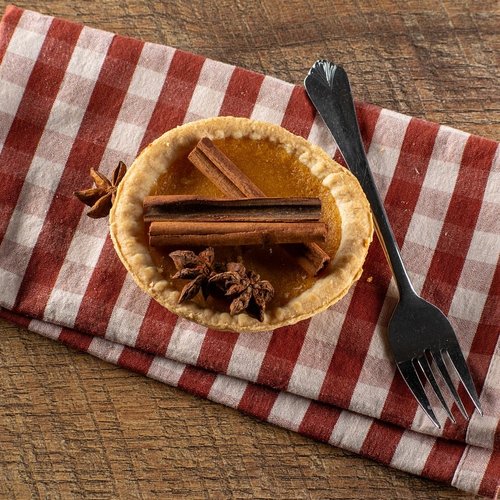
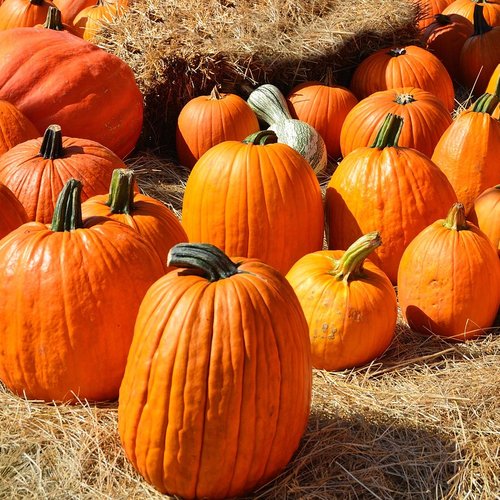


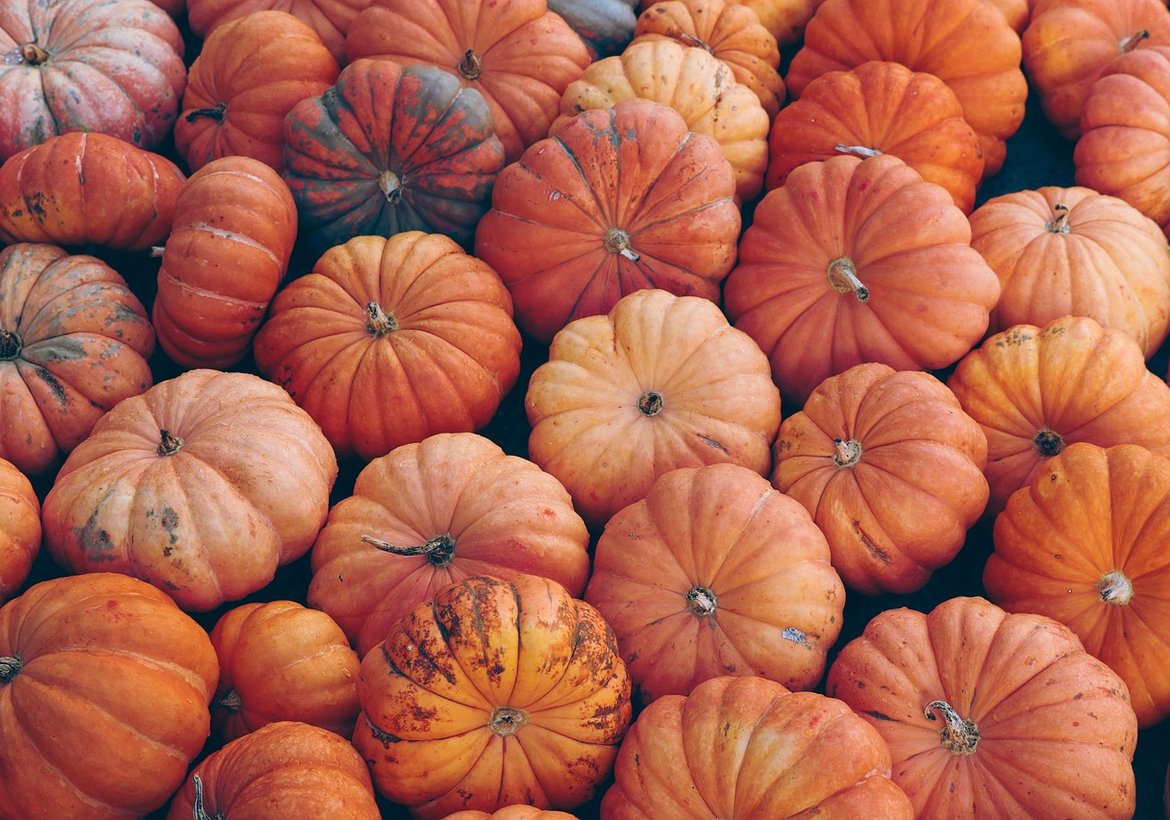

























Heirloom pumpkin varieties carry generations of stories, flavors, and colors that mass-market hybrids simply can't match.
Alice Rose
Sep 16, 2026 at 3:12 pm