iGaming | 6 November 2026
Walk into any casino or open a betting app, and you'll see a wall of flashing lights, seductive bonuses, and odds that seem just within reach. But behind the glamour lies a straightforward truth: the house always has an edge. The difference between a player who leaves with a story and one who leaves with an empty wallet isn't luck—it's understanding how each game actually works. This guide breaks down slots, poker, and sports betting with the kind of practical detail that separates recreational gamblers from those who treat it like a business.
Slots: The Math Behind the Spin
Slots are the most popular games in any casino, and also the most misunderstood. Modern video slots run on random number generators (RNGs) that produce thousands of outcomes per second. Every spin is independent—there is no "due" jackpot, no hot or cold streak. The only number that matters is the return to player (RTP) percentage, which tells you how much of all wagered money a machine pays back over millions of spins.
Land-based slots typically have RTPs between 85% and 92%. Online slots often range from 94% to 97%. That might not sound like a big difference, but over hundreds of spins it adds up fast. For example, a slot with 96% RTP returns $96 for every $100 wagered on average, meaning the house keeps $4. Compare that to a land-based machine at 88% RTP—the house keeps $12. If you're playing for entertainment, the online version is simply a better deal.
- Volatility matters more than RTP for your session. High-volatility slots pay rarely but can pay huge. Low-volatility slots pay often but small. Choose based on your bankroll and patience.
- Bonus rounds are not free money. They are factored into the RTP. A game with a 96% RTP and frequent bonuses is no better than one with fewer bonuses and the same RTP.
- Never chase losses. The RNG has no memory. Increasing your bet after a dry spell does not improve your odds—it only increases your risk.
Poker: The Only Game Where You Play the Players
Unlike slots or sports betting, poker is a skill game. You are not playing against the house—you are playing against other people, and the casino takes a small cut (the rake). That means a skilled player can consistently win over time. But "skilled" is not about knowing which hands to play; it's about understanding position, pot odds, and opponent tendencies.
Start with tight-aggressive play. In Texas Hold'em, that means folding most hands, especially in early position. Play only premium hands like pairs (AA, KK, QQ), strong aces (AK, AQ), and suited connectors from late position. When you do play, bet or raise rather than call. This does two things: it builds the pot when you likely have the best hand, and it forces weaker hands to fold.
Position is your biggest edge. The button (dealer position) acts last on every betting round after the flop. That means you get to see what everyone else does before you decide. Over a session, that information is worth more than any single hand. If you're new to poker, play fewer hands from early position and more from the button.
- Track your opponents' tendencies. Do they fold too much? Do they call every bet? Adjust your strategy accordingly.
- Manage your bankroll. A common rule is to have at least 20 buy-ins for the stakes you play. If you play $1/$2 no-limit, that's $4,000.
- Study away from the table. Review hand histories, use equity calculators, and read books like "The Theory of Poker" by David Sklansky.
Sports Betting: Beating the Closing Line
Sports betting is not about picking winners. It's about finding value—betting on outcomes where the true probability is higher than the odds imply. The closing line (the final odds before an event starts) is the market's most accurate prediction. If you consistently bet early lines that are better than the closing line, you have an edge. It is also worth checking slot dana before deciding.
Let's say a football team is +150 (implied probability 40%) early in the week. By game time, the line moves to +120 (45.5%). If you bet at +150, you got value. The key is to understand why lines move: injuries, weather, public money, and sharp action. Sharp bettors (professionals) move lines with their bets. If you see a line move against the public, that's often a sign of sharp money.
- Focus on one or two sports. You cannot outsmart the market in every league. Specialize.
- Shop for the best odds. A half-point difference in NFL spread betting can turn a long-term loser into a winner. Use multiple sportsbooks.
- Ignore parlay hype. Parlays have high payouts because they are hard to win. The house edge compounds with each leg. Stick to straight bets or small teasers.
- Track every bet. You cannot improve if you don't know your actual win rate, ROI, and average odds.
Bankroll Management: The Unsexy Secret
No strategy works if you go broke. Bankroll management is the single most important factor for long-term survival, whether you're spinning slots, grinding poker, or betting on football. The principle is simple: never bet more than a small percentage of your total gambling budget on any single event. For slots and sports betting, 1% to 2% per bet is standard. For poker, 5% per tournament buy-in or 2% per cash game buy-in.
This does not guarantee you'll win, but it ensures you can withstand losing streaks. Even a 55% winner in sports betting can lose 10 bets in a row. If each bet is 10% of your bankroll, you're wiped out. If each bet is 2%, you survive and recover.
Mental Game: Tilt, Discipline, and Walking Away
Every experienced gambler knows tilt—the emotional state where you make bad decisions because you're frustrated or chasing losses. It happens in poker after a bad beat, in slots after a dry spell, and in sports betting after a last-second loss. The remedy is a hard stop: set a loss limit and a win limit before you start. If you hit either, walk away. No exceptions.
Discipline also means not betting on games you don't understand. If you don't know the difference between a spread and a moneyline, don't bet on either. The same goes for poker variants like Omaha or Seven-Card Stud—learn the rules and basic strategy before putting real money down.
The Bottom Line
iGaming is entertainment, not a retirement plan. The house edge ensures that most players lose over time. But within that reality, you can still have fun, minimize losses, and occasionally win—if you treat it like a skill. Slots are pure luck, so choose high-RTP games and low stakes. Poker rewards study and discipline. Sports betting rewards value hunting and line shopping. And in all three, bankroll management and emotional control are non-negotiable. The smartest player isn't the one who wins the most—it's the one who lasts the longest.




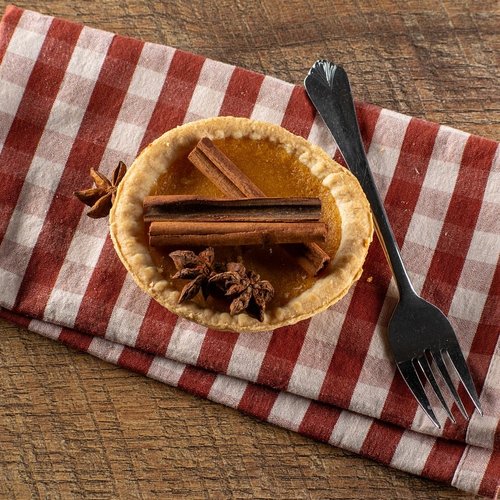
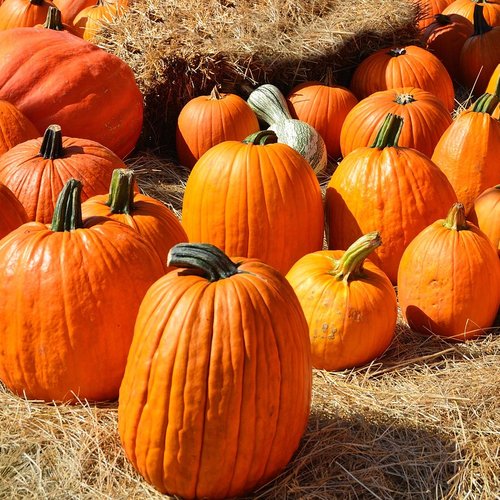


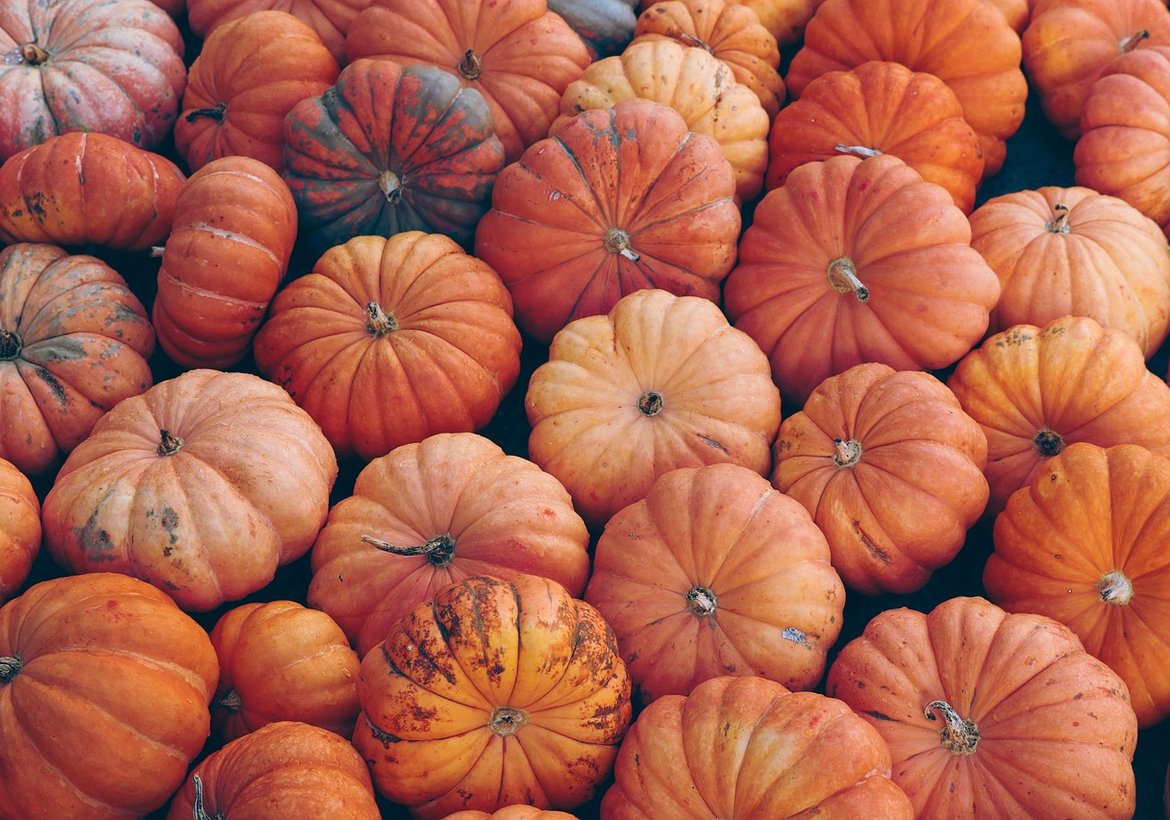






















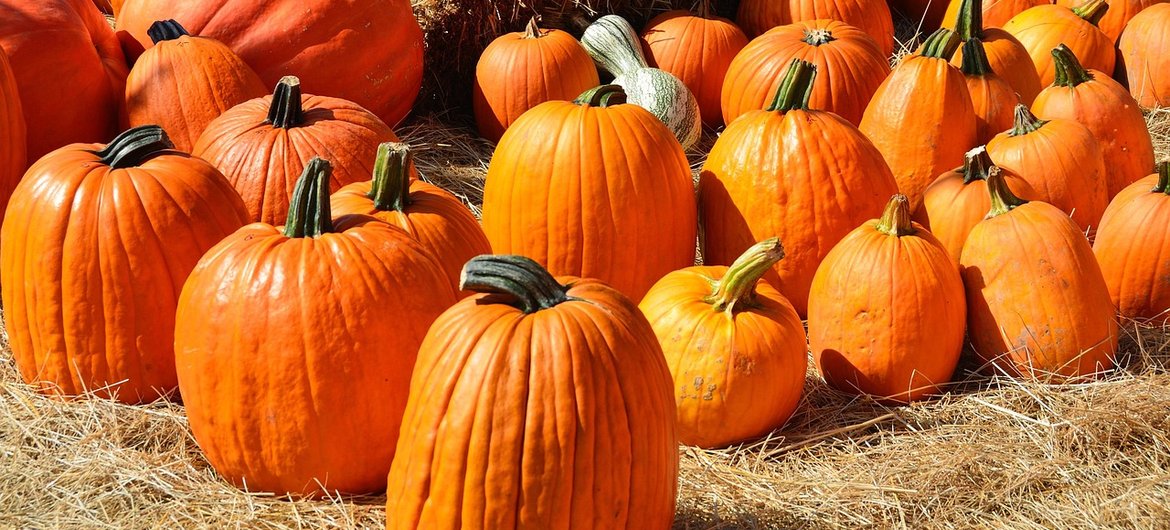




Heirloom pumpkin varieties carry generations of stories, flavors, and colors that mass-market hybrids simply can't match.
Alice Rose
Sep 16, 2026 at 3:12 pm